Leather wallet Is a practical guide to everyday carry
Leather wallet Is a compact everyday accessory for carrying cards, cash, identification, and small essentials while adding the durability and character of leather. The best choice depends on how many cards you carry, whether you need a coin pocket or zipper, how the wallet fits your pocket or bag, and how much maintenance you are willing to do. A good Leather wallet balances slim storage, reliable stitching, useful organization, and material care that prevents early wear.
Leather wallet buyers often start with style, but the better question is daily use. A wallet that looks refined on day one can become bulky, scratched, or awkward if it does not match your routine. A commuter may need quick card access and a secure zip pocket. A traveler may prefer extra slots, a passport-adjacent shape, or RFID blocking. Someone who carries only a license and two cards may be happier with a card sleeve than a large bifold.
Leather wallet quality also comes from details that are easy to miss in product photos. Edge paint, folded edges, lining material, zipper smoothness, hardware finish, and stitch spacing all influence how the wallet ages. Leather can soften, darken, crease, and develop patina over time, so the right Leather wallet is not just a storage choice. It is a small object you handle every day, and comfort matters as much as appearance.
What is a Leather wallet used for?
Leather wallet use is simple on the surface: it holds payment cards, identification, business cards, folded bills, receipts, transit passes, and sometimes coins or keys. In practice, each Leather wallet type solves a slightly different carrying problem. A bifold keeps cash visible and familiar. A card holder keeps pockets flat. A zip-around wallet adds containment for travel or a handbag. A long wallet gives more room but takes up more space.
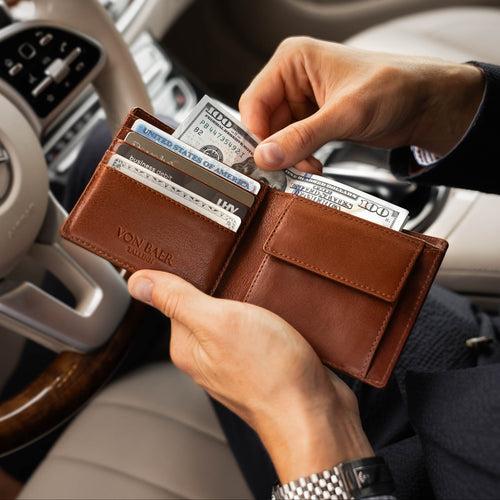
Leather wallet designs are usually built around a few repeated parts: card slots, slip pockets, a cash compartment, a zipper pocket, and sometimes a pull tab. Horizontal card slots are common in classic bifolds and long wallets because they make cards easy to see. Vertical card slots can hold extra cards in less width. A center zipper pocket is useful for coins, spare keys, folded emergency cash, or small paper items that would otherwise fall out.
Leather wallet shoppers should think about access before capacity. Carrying twelve cards is different from using twelve cards. If only two cards are used every day, those should sit in the fastest slots. Insurance cards, membership cards, and backup cards can live in deeper pockets. A Leather wallet that has too many tight compartments can look organized but feel slow at checkout, especially when the leather is still new and firm.
Which Leather wallet style fits pockets, bags, and travel?
Leather wallet style should follow where it will live most often. A front pocket wallet needs a flatter outline than a back pocket bifold. A bag wallet can be larger because it does not press against the body while sitting. A travel wallet can prioritize secure closures and extra compartments. Leather wallet size is not only a matter of dimensions; thickness after loading is the measurement that affects comfort.
Leather wallet choices usually fall into a few practical formats. The right one depends on how much you carry and how quickly you need to reach it.
- Card holder: best for a few cards, thin pockets, and minimal cash.
- Bifold: best for mixed card and cash use with a familiar fold.
- Trifold: best for more slots, though it can become thick quickly.
- Zip wallet: best for coins, travel, handbags, and added containment.
- Long wallet: best for unfolded bills, receipts, and organized storage.
Leather wallet fit should be tested with realistic contents, not an empty product photo. A slim wallet can become bulky when every slot is filled. A long wallet may look elegant but feel inconvenient if you frequently use a small crossbody bag. For people comparing options inside a broader , the most useful filter is usually carry location first, capacity second, and finish third.
How do Leather wallet materials differ?
Leather wallet materials vary by hide type, grain, finish, and treatment. Full grain leather keeps the outer grain and usually develops the most visible patina. Top grain leather is refined for a smoother surface. Nappa leather is known for a soft, smooth hand feel. Saffiano leather has a textured, crosshatch finish that is often chosen because it can hide minor scuffs better than a very smooth surface.
Leather wallet durability depends on both leather and construction. A scratch-resistant finish can help the surface look cleaner, but it may patina less dramatically. A soft natural leather can feel luxurious immediately, but it may show marks sooner. Embossed leather adds texture, while smooth leather highlights color and grain. Some wallets also use recycled linings, jacquard fabric, nylon, canvas, or synthetic leather alternatives for interior panels.
Leather wallet alternatives include cactus-based materials, polyurethane synthetics, coated canvas, aluminum card cases, carbon fiber plates, and elastic minimalist wallets. These alternatives can be lighter, more water-resistant, vegan-friendly, or more rigid, but they do not age exactly like leather. A Leather wallet is usually chosen by someone who likes the tactile feel, the way it warms in the hand, and the gradual visual history of use.
How should a Leather wallet be organized day to day?
Leather wallet organization starts with subtraction. Remove expired cards, duplicate loyalty cards, old receipts, and items that can live digitally. Then assign the most used card to the easiest slot. Identification should be secure but reachable. Cash should be folded consistently so it does not create a lumpy stack. A Leather wallet performs better when contents are intentional instead of collected by habit.
Leather wallet setup can follow a simple workflow. First, place daily cards in the front slots or pull-tab compartment. Second, put occasional cards in the deeper interior pockets. Third, fold bills flat and avoid overstuffing the cash section. Fourth, keep coins in a zip pocket only if the wallet is designed for them. Fifth, review the wallet every week or two to keep thickness under control.
Leather wallet users who carry many cards should be honest about mechanical strain. Elastic bands, pull tabs, zipper tracks, and stitched pockets can stretch or wear if they are consistently loaded beyond their intended range. Some minimalist designs claim very high card capacity, but maximum capacity is not always comfortable capacity. A Leather wallet that works well with six cards may feel very different with fifteen.
Is a slim Leather wallet better than a larger wallet?
Leather wallet slimness is helpful when comfort and pocket shape matter. A slim Leather wallet reduces pressure when sitting, keeps jacket pockets cleaner, and makes everyday carry feel lighter. It can also encourage better habits because there is less room for paper clutter. For many people, a card holder or thin bifold is enough for daily errands, commuting, and routine spending.
Leather wallet size becomes more complicated when travel, receipts, cash, or family cards enter the picture. A larger wallet may be more practical if you carry multiple IDs, health cards, transit passes, coins, or foreign currency. A zip-around Leather wallet can prevent loose items from falling out in a tote or backpack. A long wallet can keep bills and receipts flat, which some users prefer for organization.
Leather wallet selection is therefore not a contest between minimal and large. It is a match between format and behavior. The slimmer option is better when you want speed, comfort, and fewer contents. The larger option is better when you need separation, containment, and capacity. If you already own several bags, a small daily Leather wallet plus a separate travel pouch can be more flexible than one oversized wallet for every situation.
What are the main benefits of a Leather wallet?
Leather wallet benefits come from durability, feel, and long-term appearance. Quality leather can withstand years of normal handling when it is not soaked, overloaded, or cleaned with harsh chemicals. The surface can develop a patina that makes the wallet feel personal rather than worn out. A Leather wallet also works across casual, work, and travel settings because the material is familiar without being overly technical.
Leather wallet construction can offer a strong balance of softness and structure. Leather bends more naturally than metal, yet it can still protect cards from casual bending when the panels are well designed. Textured leather can help hide light marks. Smooth leather can feel more refined. A lined interior can reduce friction on cards and make the wallet easier to use.
Leather wallet value is not only about price. A cheaper wallet that loses edge paint, tears at the slots, or jams at the zipper can be more expensive over time than a better-made option. Look for straight stitching, smooth corners, clean edges, secure hardware, and card slots that hold cards firmly without making them impossible to remove. A well-chosen Leather wallet should feel reliable before it feels decorative.
What risks and care mistakes should Leather wallet owners avoid?
Leather wallet care is mostly about avoiding damage before it starts. Too much moisture can stain, warp, or weaken leather. Heat can dry it out. Oils, wax-heavy products, silicone treatments, alcohol, bleach, ammonia cleaners, and alkaline wipes can discolor or damage many finishes. Even when a product claims water resistance, a Leather wallet should not be treated like outdoor gear.
Leather wallet cleaning should be gentle and limited. If the surface needs attention, use a soft cloth slightly dampened with clean water, then test a hidden area first. Do not scrub aggressively. Let the wallet dry naturally away from direct heat. Conditioning may be appropriate for some untreated leathers, but finished or textured leathers may not need it and may react poorly to the wrong product.
Leather wallet safety also includes how it is carried. Back-pocket carry can bend cards and compress the spine of a bifold. Overfilled card slots can stretch permanently. Loose coins in a pocket with a smooth wallet can scratch the surface. Light-colored leather can pick up dye transfer from dark denim or bags. A Leather wallet is durable, but it is still a finished material that benefits from reasonable handling.
How does a Leather wallet compare with metal, fabric, and vegan wallets?
Leather wallet comparisons usually come down to touch, structure, weight, and aging. Metal wallets can be very slim and protective, especially with rigid plates, but they may feel cold, make noise, or require a different card access motion. Fabric wallets can be lightweight and washable, but they may look casual and wear at corners. Vegan leather and plant-based materials can appeal to buyers who avoid animal products.
Leather wallet alternatives can be the better choice in specific situations. A metal card case may suit someone who wants a hard shell and a modern mechanism. A nylon wallet may suit hiking, gym use, or wet conditions. A zippered fabric pouch may work well for coins and travel documents. Still, a Leather wallet remains a strong all-purpose option for people who want a refined look, comfortable handling, and natural aging.
Leather wallet shopping should also account for maintenance expectations. If you want a wallet that looks nearly unchanged for years, choose textured or treated leather and darker colors. If you enjoy visible patina, choose natural full grain leather and accept scratches as part of the character. For a deeper look at related formats, a focused can help compare thin carry options without forcing a full-size wallet.
How do you choose the right Leather wallet before buying?
Leather wallet buying becomes easier when you evaluate your real contents. Count the cards you actually need, then add one or two spaces for temporary items. Decide whether you need cash storage, coin storage, a zipper, a window ID slot, or a pull tab. Measure the pocket or bag compartment where the wallet will sit. Then compare loaded thickness, not just advertised size.
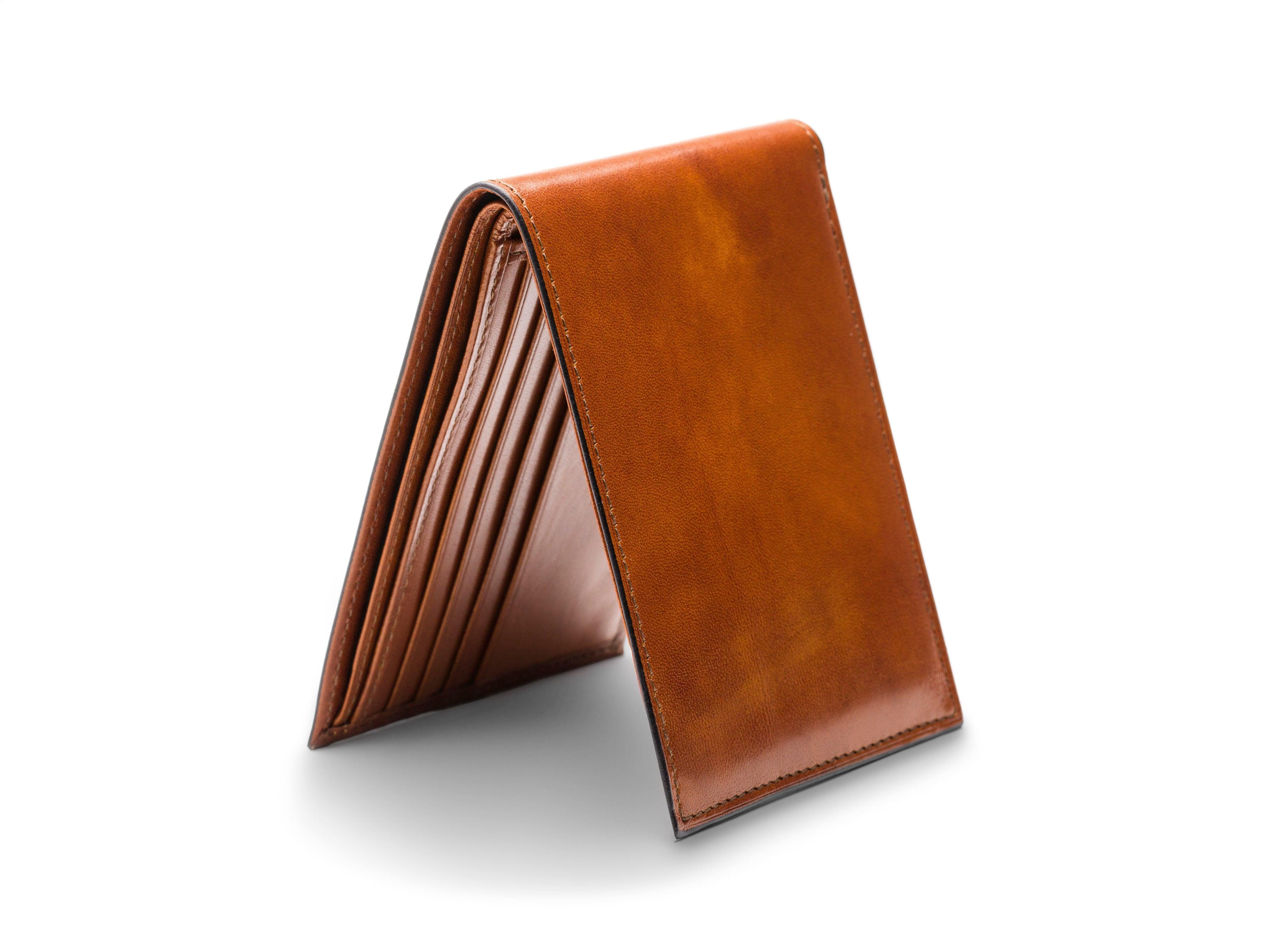
Leather wallet inspection should include both exterior and interior details. Check whether the card slots are too tight or too loose. Open and close the zipper several times if there is one. Look at the stitching around high-stress corners. Check whether the lining is glued cleanly and whether the edges feel smooth. A Leather wallet should not feel fragile at the hinge, corners, or closure.
Leather wallet color is practical as well as personal. Black and dark brown hide marks and fit formal settings. Tan and cognac show patina more visibly. Pale pink, cream, and other light tones can look polished but may need more care around denim, makeup, and ink. Hardware color also affects the look: gold feels warmer, silver feels cooler, and matte finishes can look more understated.
What is the smartest way to make a Leather wallet last?
Leather wallet longevity comes from moderate loading, dry storage, and regular light cleaning. Keep the wallet away from standing water, direct sun, car dashboards, and harsh cleaners. Rotate contents so one slot is not constantly stretched by an oversized stack. If the wallet gets damp, empty it, reshape it gently, and let it air dry at room temperature.
Leather wallet ownership is easiest when expectations are realistic. Fine scratches, darkened edges, softened folds, and slight color changes are normal signs of use, especially on smooth leather. Problems like peeling, split seams, broken zippers, and sticky finishes are different; those point to construction issues or damage. A Leather wallet should age, but it should not fail quickly under ordinary use.
Leather wallet selection ultimately comes back to fit, access, material, and care. Choose a shape that suits your pocket or bag, a layout that matches your cards and cash, and a leather finish that matches how much patina you want. With the right habits, a Leather wallet can stay useful and attractive through daily errands, workdays, trips, and the quiet repetition of everyday carry.
Questions and Answers
What is the best Leather wallet style for everyday use?
The best Leather wallet style for everyday use depends on how much you carry. A card holder works well for a few cards and little cash. A bifold is better if you want familiar cash storage and several card slots. A zip wallet helps when you carry coins or loose items. Choose based on loaded thickness, pocket fit, and how quickly you need card access.
How many cards should a Leather wallet hold?
A Leather wallet should hold the cards you actually use without stretching slots or creating a bulky shape. Many people can manage with four to eight cards, plus identification and a small amount of cash. Larger wallets can hold more, but maximum capacity is not always comfortable. Overfilling may stretch leather, strain stitching, and make cards harder to remove.
Is Saffiano leather good for a wallet?
Saffiano leather can be a good wallet material because its textured finish helps disguise minor scuffs and gives the surface a structured feel. It is often chosen by people who want a cleaner look with less obvious wear. It may not develop the same soft patina as natural full grain leather, so the better choice depends on whether you prefer polish or visible aging.
How do you clean a Leather wallet safely?
Clean a Leather wallet gently with a soft cloth and a very small amount of clean water, testing a hidden area first. Avoid soaking the leather or scrubbing hard. Do not use alcohol, bleach, ammonia cleaners, saddle soap, baby wipes, silicone products, or wax-heavy polish unless the maker specifically recommends them. Let the wallet air dry naturally away from direct heat.
Is a slim Leather wallet better for your pocket?
A slim Leather wallet is usually better for front pockets, jacket pockets, and anyone who wants less bulk while sitting or walking. It encourages lighter carry and reduces pressure on cards. A larger wallet may still be better if you carry cash, receipts, coins, or many IDs. The practical test is how the wallet feels when fully loaded, not when empty.
Does a Leather wallet need conditioner?
Some untreated or natural leather wallets may benefit from occasional conditioner, but many finished, textured, coated, or delicate leathers do not need it and can darken or stain if treated incorrectly. Always check the maker's care guidance when available and test a hidden spot before applying anything. For many wallets, dry handling, gentle wiping, and avoiding moisture are enough.
What should I check before buying a Leather wallet online?
Before buying a Leather wallet online, check the listed dimensions, card capacity, closure type, leather finish, lining, return rules, and product photos showing the interior. Compare those details with your actual cards and cash. Look for signs of solid construction such as straight stitching, smooth edges, reinforced corners, and hardware that suits your routine rather than only the color or exterior style.