Leather wallet Is a practical guide to slim styles, materials, and care
Leather wallet Is an everyday carry item for organizing cards, identification, cash, receipts, and small essentials in a durable leather case. A good one balances capacity, thickness, leather type, stitching, pocket layout, and care needs. The best choice depends on how you pay, how much you carry, whether you travel, and whether you prefer a compact card holder, classic bifold, zip wallet, or larger organizer.
Leather wallet choices can look similar at first, but the details change how they feel in a pocket or bag. Slot orientation, zipper placement, lining, hardware, edge finishing, and leather texture all affect daily use. The goal is not simply to buy the thinnest option or the most expensive leather. It is to match the wallet to your routine so it holds what you need without becoming bulky or fragile.
What is Leather wallet used for?
Leather wallet is used to keep payment cards, identification, transit cards, folded cash, coins, and small paper items in one accessible place. For many people, it is also part of their personal style because leather develops character as it is handled. A compact wallet can disappear into a front pocket, while a long wallet may suit a tote, briefcase, or travel bag better.
Leather wallet designs range from minimal card sleeves to full zip-around organizers. A card holder may carry three to six cards and no cash pocket. A bifold usually adds a bill compartment and more interior slots. A travel wallet can include passport space, boarding passes, a zip pocket, or extra slip pockets. Each format solves a different carrying problem.
The common thread is controlled access. Leather wallet construction should let you remove the card you need without fighting tight slots or dumping everything out. If you regularly carry keys, earbuds, coins, or receipts together with your wallet, a zip pocket or enclosed pouch can reduce wear on cards and prevent small items from falling loose.
How does Leather wallet construction affect daily carry?
Leather wallet construction starts with the material, but the pattern is just as important. A thick piece of leather can make a small wallet feel oversized, while a thin leather shell with reinforced pockets can stay slim and still feel substantial. Stitch spacing, folded edges, bonded layers, and lining all influence how the wallet breaks in over time.
Leather wallet interiors usually use horizontal card slots, vertical slots, slip pockets, a bill pocket, or a center zipper pocket. Horizontal slots are familiar and easy to scan. Vertical slots can help a longer wallet fit more cards without expanding outward. Slip pockets are useful for receipts or less-used cards, but they can become cluttered if you treat them as a catchall.
Leather wallet capacity should be judged when filled, not when empty. A product that looks sleek in photos can thicken quickly once every slot is loaded. If you carry twelve cards, cash, and coins, a small card holder may strain at the seams. If you carry only two cards and a license, a large organizer may feel like extra material with no benefit.
In practice, the best Leather wallet is the one that keeps its shape after a normal day. Open and close points should not buckle. Corners should feel secure. Zippers should move smoothly without scraping card edges. If hardware is present, it should be positioned so it does not press uncomfortably through a pocket or scratch nearby items in a bag.
Which Leather wallet material should you choose?
Leather wallet material affects texture, aging, water resistance, scratch visibility, and maintenance. Full grain leather keeps the strongest outer layer of the hide and can develop a rich patina. Top grain leather is often smoother and more uniform. Nappa leather is known for a soft, supple hand. Saffiano leather has a textured, treated surface that tends to hide scratches better than very smooth finishes.
Leather wallet buyers should also understand that “genuine leather” is a broad label, not a guarantee of the highest grade. It can be perfectly serviceable, but it does not tell you as much as details about the tannage, grain, thickness, and finish. Vegetable-tanned leather may darken and mark more visibly, while heavily finished leather may resist stains but show less natural aging.
Leather wallet alternatives include recycled leather blends, cactus-based leather alternatives, cork, nylon, canvas, metal card cases, and synthetic polyurethane. These materials can be lighter, vegan-friendly, or easier to clean, but they age differently. If the smell, feel, repairability, and patina of natural leather matter to you, confirm the material description before buying.
For a new user, texture is often the easiest decision point. Smooth leather can feel refined but may show scratches sooner. Pebbled and crosshatch textures can be more forgiving. Embossed patterns add visual depth. A soft interior lining can protect cards, while an unlined leather interior may feel more traditional and reduce bulk.
How many cards should Leather wallet hold?
Leather wallet capacity should follow your real carry habits rather than a maximum slot count. A wallet with nine card slots, several slip pockets, and a zipper compartment may be excellent for travel or bag carry, but it may be too large for front-pocket use. A minimalist wallet with four slots may be perfect for tap-to-pay users who rarely handle cash.
Leather wallet planning is easier if you separate essentials from occasional items. Essentials are your license, primary payment card, backup card, transit card, and health or access card. Occasional items include loyalty cards, business cards, folded receipts, stamps, spare cash, or foreign currency. If occasional items dominate your wallet, consider moving them to a pouch or phone app.
- Choose a card sleeve if you carry two to five cards and little cash.
- Choose a bifold if you want a balanced mix of cards and bills.
- Choose a zip wallet if coins, receipts, or loose items matter.
- Choose a long wallet if you prefer bills unfolded and more organization.
- Choose a travel wallet if passports, boarding passes, or backup cards are part of the load.
Leather wallet fit also depends on where it is carried. Back-pocket carry can bend cards and compress leather unevenly. Front-pocket carry favors slim silhouettes and rounded edges. Bag carry gives you room for larger formats but exposes the wallet to keys, pens, cosmetics, and water bottles, so closure and surface durability matter more.
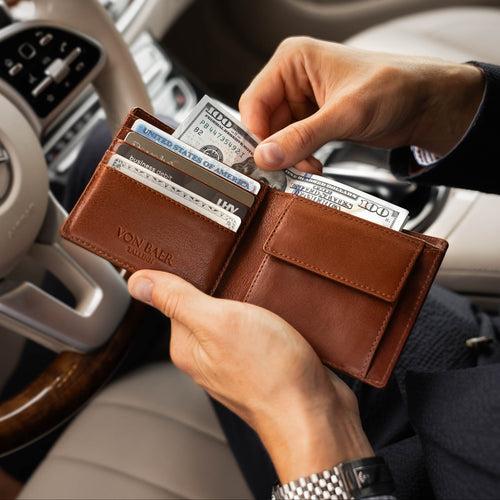
Is Leather wallet better than a card holder or phone wallet?
Leather wallet options overlap with card holders, magnetic phone wallets, money clips, and metal card cases. A traditional wallet is still the most flexible because it can hold cash, ID, cards, and paper items without relying on a phone. A card holder is slimmer, but it may not work well for coins, bills, or travel documents.
Leather wallet formats attached to a phone can be convenient for light carry. They reduce the number of things in your pocket and work well when you need only an ID and one or two cards. The tradeoff is concentration of risk: if the phone is lost, your payment cards may be lost with it. Magnetic attachment strength, case compatibility, and card access also matter.
Leather wallet alternatives made from aluminum or carbon fiber can provide rigid card protection and compact storage. They are useful for people who want a hard shell and quick card ejection. However, they may feel less comfortable in a pocket, carry cash awkwardly, or lack the warmth and repairability of leather. The right answer depends on comfort, access, and what you actually carry.
For readers comparing slim formats, the internal guide to a can help narrow size and pocket-carry priorities. If your use case is airports, commuting, or weekend bags, a is usually a better frame of reference than a minimalist sleeve.
How should Leather wallet be cared for?
Leather wallet care is mostly about prevention. Keep it away from prolonged moisture, direct heat, harsh cleaners, oils, alcohol, bleach, and abrasive surfaces. If the wallet gets damp, blot it gently with a soft cloth and let it air dry at room temperature. Heat from a dryer, radiator, or car dashboard can stiffen leather and affect adhesives.
Leather wallet cleaning should start with the manufacturer’s care guidance when available because finishes vary. For many finished leathers, a lightly damp cloth is enough for surface dust. Test any cleaner on a hidden area before broader use. Conditioners can help some natural leathers, but they may darken color, soften structure, or harm treated finishes if used carelessly.
Leather wallet storage also matters. Empty old receipts and unused cards before the wallet stretches permanently. Avoid overstuffing card slots, especially during the break-in period. Store the wallet in a dry place with moderate airflow. If it has a zipper, do not force it around bulky contents; pressure at the corners can shorten the life of the stitching and teeth.
Leather wallet aging is not automatically damage. Minor darkening, softening, and small marks can be part of normal patina. The warning signs are cracked finish, loose stitching, peeling bonded layers, warped card pockets, failing zippers, or color transfer onto clothing. Those issues suggest either unsuitable care, excessive load, or construction that is not matched to your use.
What safety and quality details matter in Leather wallet?
Leather wallet quality is easiest to judge through edges, seams, pocket tension, and hardware. Edges should feel smooth rather than raw and fuzzy unless the wallet is intentionally rustic. Stitches should be even, tight, and anchored at stress points. Card slots should grip without requiring excessive force. A zipper should close cleanly and should not snag the lining.
Leather wallet safety also includes how you handle personal information. RFID-blocking linings are marketed for contactless card protection, but they are not the only concern. Losing a wallet, carrying too many identity documents, or keeping written passwords inside it can create bigger risks. Carry only what you need, and keep a separate record of card issuer contact details at home.
Leather wallet color and finish can affect clothing and bag interiors. Dark dyes, bright pigments, and unfinished edges may transfer if exposed to moisture or friction. Light-colored wallets can pick up denim dye, makeup, and hand oils more quickly. If you choose pale leather, expect more visible maintenance and be cautious about placing it against dark fabric.
Leather wallet purchase decisions should include warranty clarity, return condition, and repair expectations. A strong warranty is useful, but it may not cover normal wear, staining, accidental damage, or overstuffing. Check whether the maker describes the leather type, lining material, dimensions, weight, slot count, and care instructions in plain language before you rely on the wallet every day.
How do you choose Leather wallet step by step?
Leather wallet selection becomes simpler when you treat it like a fit problem. First, empty your current wallet and sort the contents. Remove expired cards, old receipts, and duplicates. Count what remains. Then decide where the wallet will be carried most often: front pocket, back pocket, jacket, work bag, travel bag, or phone attachment.
- Count essential cards and decide whether cash must lie flat or can be folded.
- Measure the pocket or bag space where the wallet will usually sit.
- Pick a format: card holder, bifold, zip wallet, long wallet, or travel organizer.
- Choose a leather texture based on scratch tolerance and desired aging.
- Review care instructions, return terms, and construction details before buying.
Leather wallet sizing should be checked in real dimensions, not vague labels like compact or large. Width, height, and depth determine pocket comfort. A long wallet around seven inches wide can feel elegant in a bag but awkward in pants. A very small sleeve may be ideal until you need to carry cash after a trip or event.
Leather wallet style should support your routine rather than fight it. If you tap to pay and rarely open your wallet, quick exterior access may matter more than many compartments. If you travel, a zipper and extra slip pockets may matter more than absolute slimness. If you use cash daily, a bifold or long wallet is usually more practical than a tight card case.
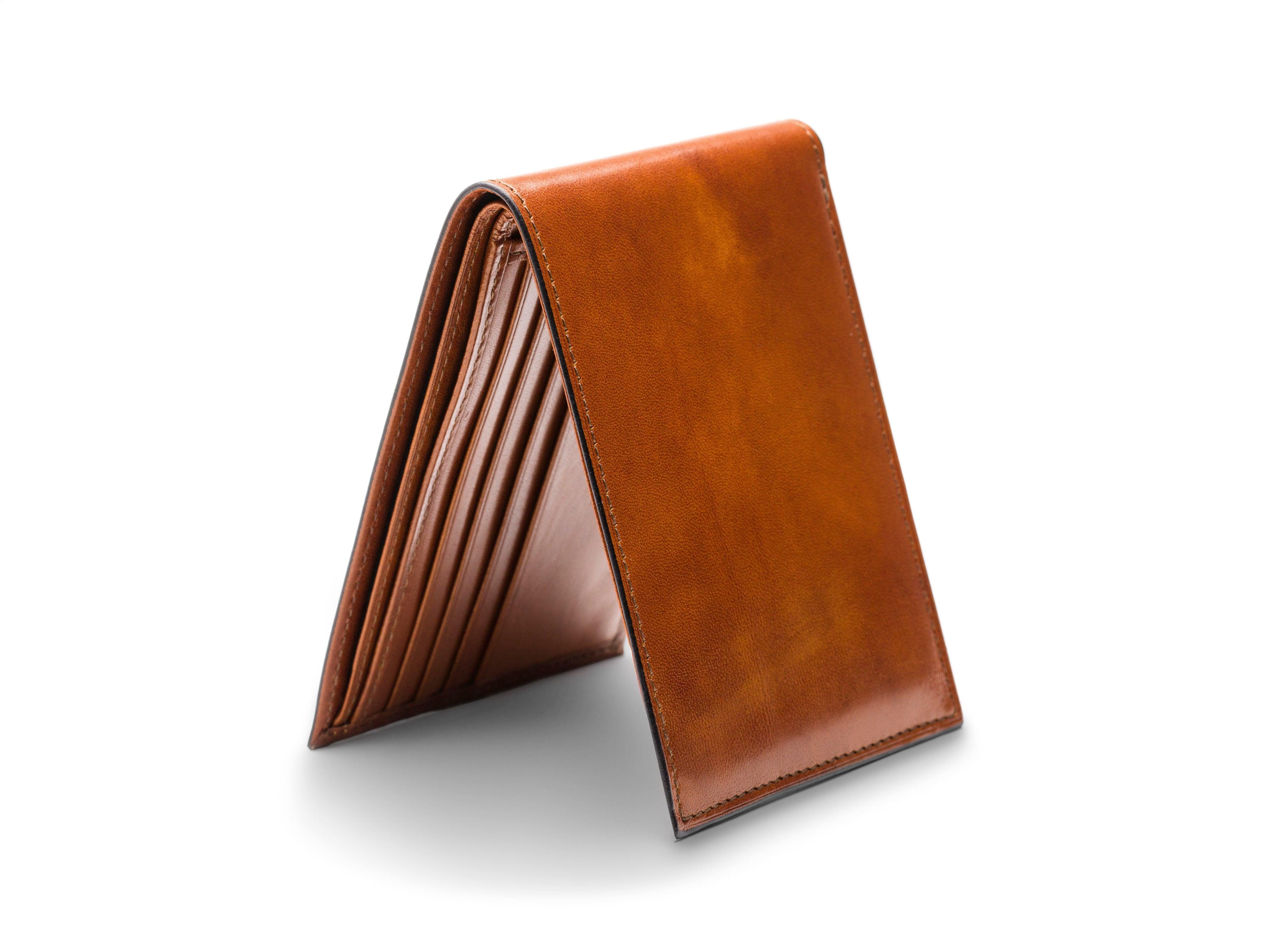
What should Leather wallet buyers remember before choosing?
Leather wallet buying is less about finding one universal best wallet and more about balancing material, layout, thickness, and care. A beautiful wallet that cannot hold your essentials will become frustrating. A large organizer that carries everything may become a clutter trap. A slim sleeve that matches your payment habits can feel better than a feature-heavy model.
Leather wallet value also depends on how long you expect to use it and how you want it to age. Some users love visible patina and hand-worn character. Others prefer a treated surface that looks cleaner for longer. Neither preference is wrong. The key is to choose the finish, shape, and capacity with clear expectations before daily wear begins.
Leather wallet care, safety, and comfort should stay part of the decision after purchase. Keep it clean, avoid overload, protect it from moisture, and review the contents every few months. When a wallet fits your carry style, it becomes quiet, useful, and easy to live with rather than another object that needs constant adjustment.
Questions and Answers
What is the best type of Leather wallet for everyday use?
The best Leather wallet for everyday use is usually the format that fits your normal carry without strain. A card holder works for a few cards and little cash, while a bifold is better for cards plus bills. A zip wallet helps with coins and receipts. Choose based on slot count, thickness when filled, pocket comfort, leather texture, and how often you need quick access.
How many cards should a Leather wallet hold?
A Leather wallet should hold your essential cards comfortably, not every card you own. For many people, four to eight cards is enough: ID, primary payment card, backup card, transit or access card, and one or two useful extras. If you carry more, consider a larger bifold or organizer. Overstuffing stretches pockets, adds bulk, and can shorten the wallet’s usable life.
Is full grain leather better for a Leather wallet?
Full grain leather is often valued because it keeps the strongest outer layer of the hide and can develop a distinctive patina. That does not make it automatically best for everyone. Some users prefer saffiano, pebbled, or finished leathers because they hide scratches and stains better. The best Leather wallet material depends on texture preference, maintenance expectations, and how carefully the wallet will be used.
How do you clean a Leather wallet safely?
Clean a Leather wallet gently and follow the maker’s care instructions when available. For many finished leathers, a soft cloth lightly dampened with water can remove surface dust. Avoid alcohol, bleach, saddle soap, baby wipes, oils, waxes, and harsh household cleaners unless the manufacturer specifically recommends them. Test any cleaner on a hidden spot first because leather finishes can darken, discolor, or lose texture.
Are RFID-blocking Leather wallet designs necessary?
RFID-blocking Leather wallet designs can add a layer of protection for contactless cards, but they are not the only safety factor. For most people, losing the wallet or carrying too many sensitive documents is a larger everyday risk. RFID features may be useful if they do not add unwanted bulk, but you should still carry only necessary cards and keep issuer contact details stored separately.
Why does a Leather wallet become bulky over time?
A Leather wallet becomes bulky when it is overfilled, stretched by too many cards, packed with receipts, or used to carry coins in compartments not designed for them. Leather can mold to repeated pressure, so overloaded slots may stay expanded. Empty old papers regularly, keep only essential cards, and choose a larger wallet if your normal carry genuinely requires more space.
What is the difference between a Leather wallet and a leather card holder?
A Leather wallet usually offers broader organization, such as a bill compartment, multiple card slots, slip pockets, or a zipper pocket. A leather card holder is smaller and designed mainly for a few cards, sometimes with a center pocket for folded cash. Card holders are better for minimal carry, while wallets are better for cash users, travelers, or anyone who needs more separation.